

Student Learning x DICE
DICE — Design Innovation Creative Education — supports students by transforming ideas into practical, meaningful and creative outcomes.
Through guided design projects, students learn to observe, investigate, imagine, plan, create, test, refine and present their work. This process supports not only creative development, but also broader capabilities such as problem-solving, communication, collaboration, critical thinking and independent learning.
DICE provides students with opportunities to learn through making, experimentation and real-world design challenges. It complements classroom learning by helping students apply knowledge in practical contexts and understand how different subjects connect with design, technology and creative industries.
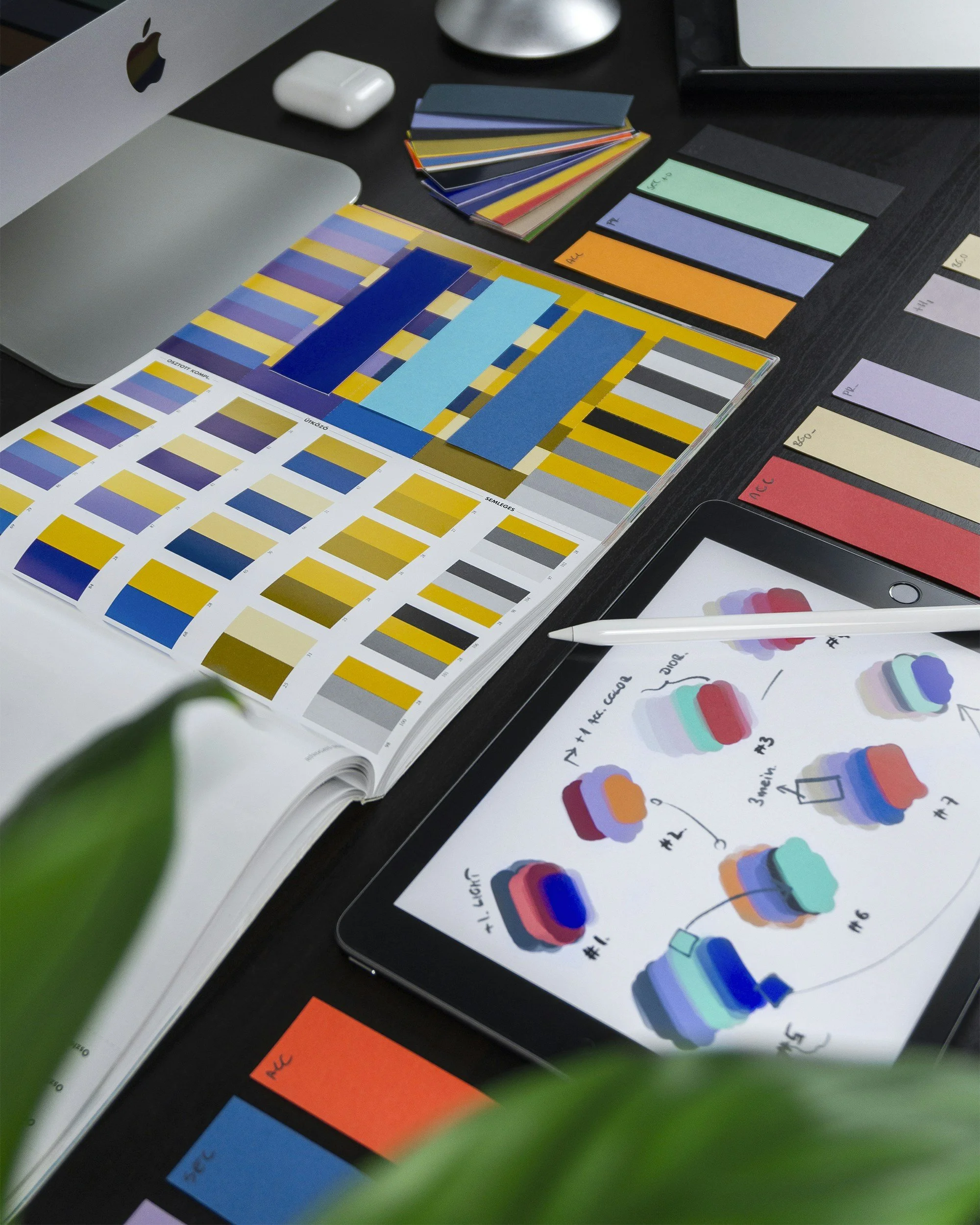
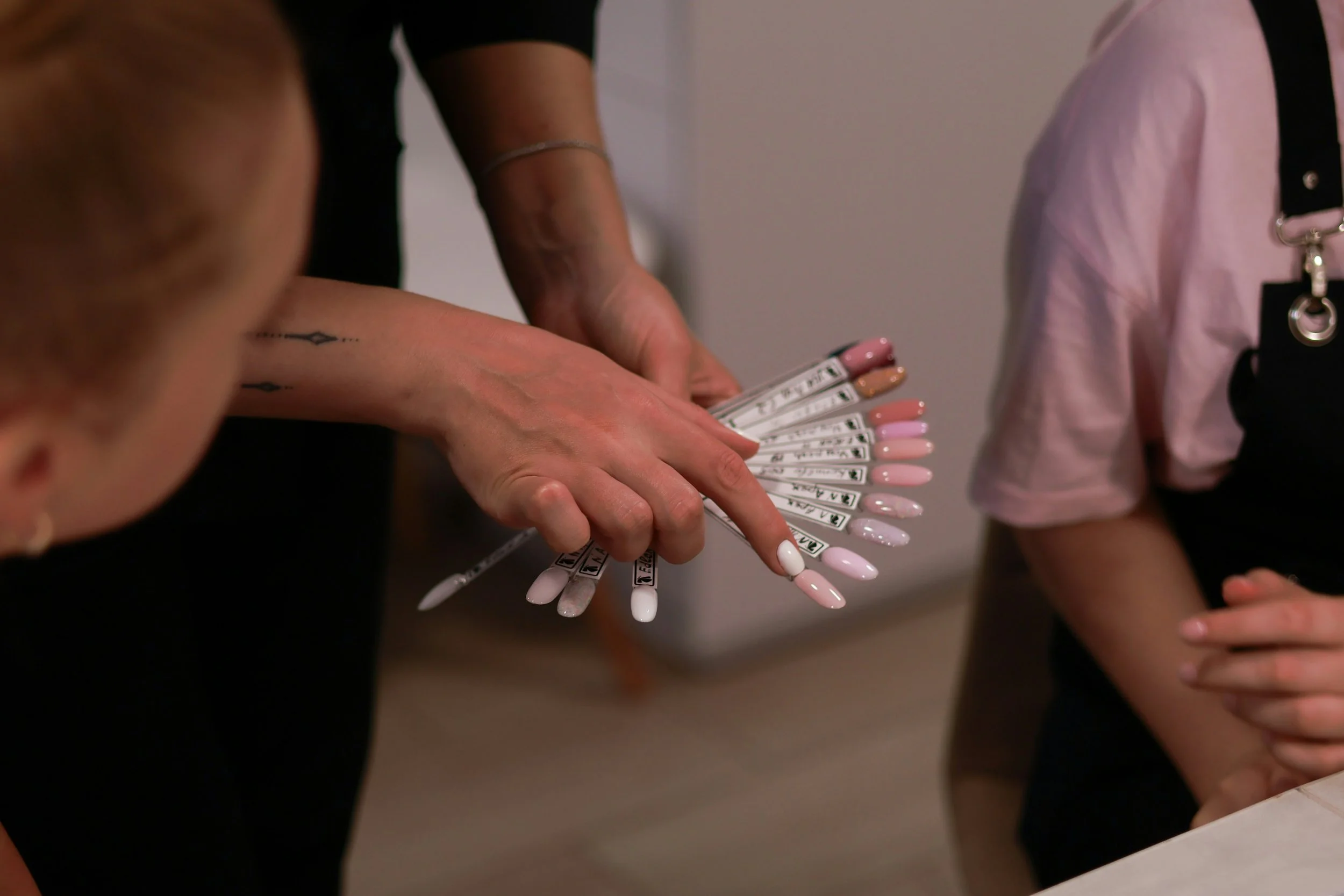
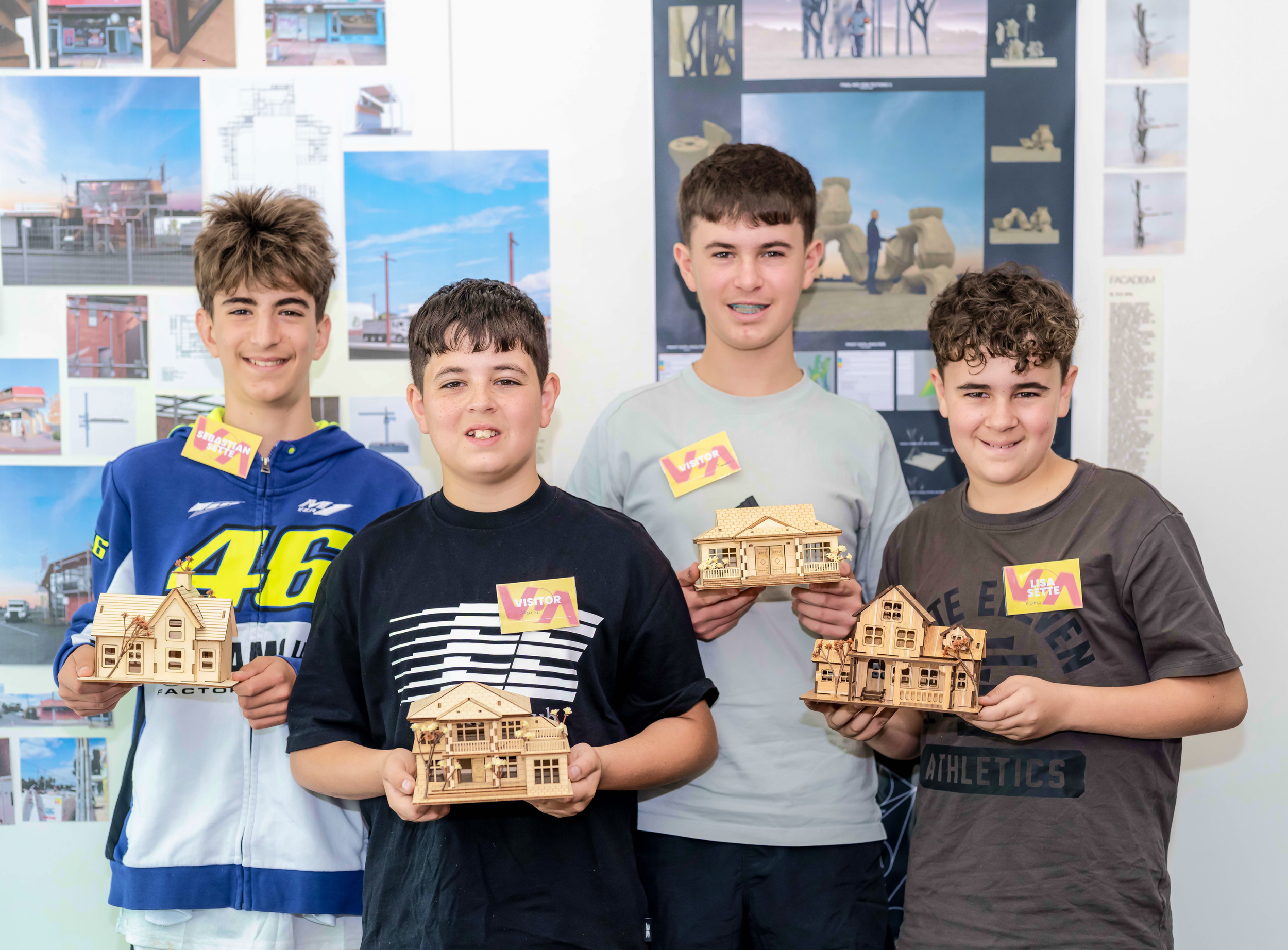
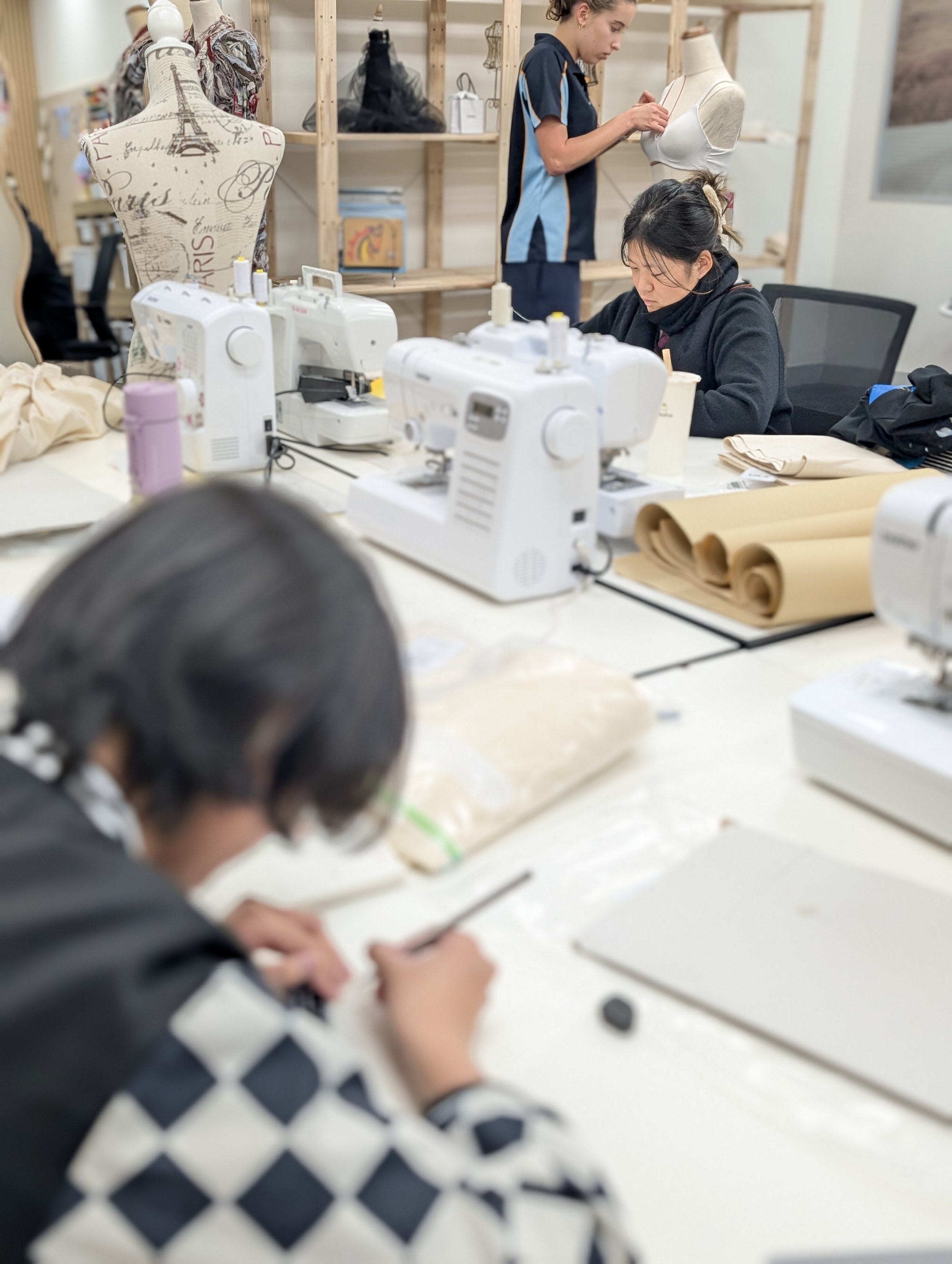
Benefits for Primary School Students
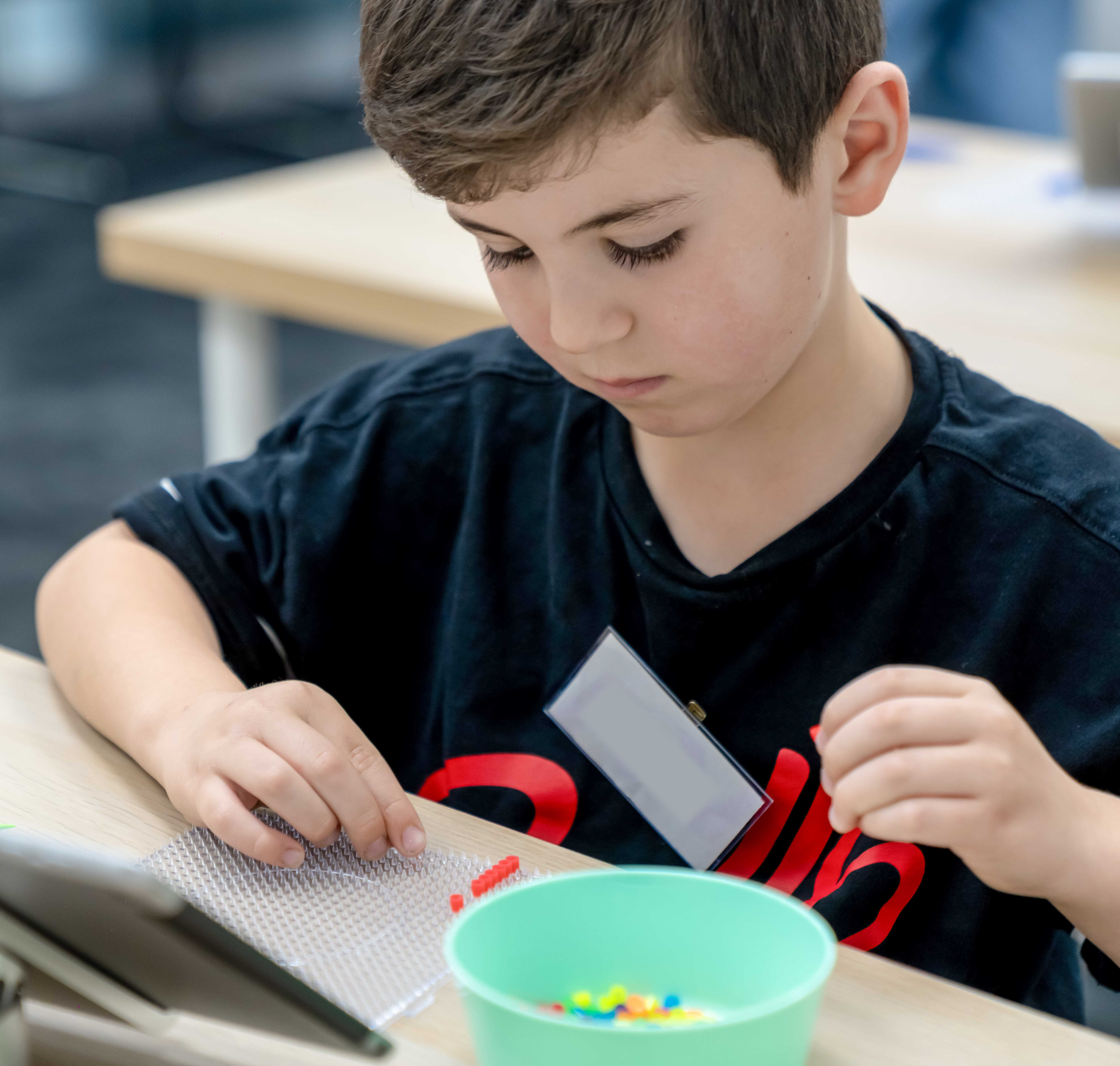
At primary level, DICE introduces students to design through engaging, age-appropriate and hands-on activities.
The program supports primary students to:
· Develop curiosity, imagination and creative confidence.
· Express ideas through drawing, making, modelling and visual communication.
· Strengthen fine-motor skills and practical coordination.
· Follow a creative process from an initial idea to a completed outcome.
· Learn through experimentation, trial and improvement.
· Develop early problem-solving and decision-making skills.
· Work cooperatively, share materials and contribute to group projects.
· Communicate the meaning and purpose behind their designs.
· Build confidence by creating something original and personally meaningful.
· Discover interests and abilities that may not always be visible in traditional classroom activities.
For primary students, DICE makes learning active, enjoyable and accessible. It encourages students to see that there can be multiple solutions to a problem and that mistakes can become part of the learning and design process.
Benefits for Secondary School Students
At secondary level, DICE provides more advanced opportunities for students to develop creative, technical and analytical skills.
The program supports secondary students to:
· Apply design thinking to authentic problems and project briefs.
· Research users, themes, materials, trends and design contexts.
· Develop and communicate original concepts.
· Plan projects and manage time, resources and production stages.
· Build technical skills using relevant tools, materials and processes.
· Test ideas, respond to feedback and refine their work.
· Explain and justify creative and technical decisions.
· Collaborate with peers and contribute to shared outcomes.
· Develop independence, responsibility and project ownership.
· Explore pathways in design, fashion, media, technology, architecture and other creative industries.
· Produce work that may contribute to portfolios, exhibitions, presentations or future study applications.
DICE helps secondary students understand that design is not only about making attractive products. It involves research, analysis, planning, technical knowledge, communication and responding thoughtfully to real needs.
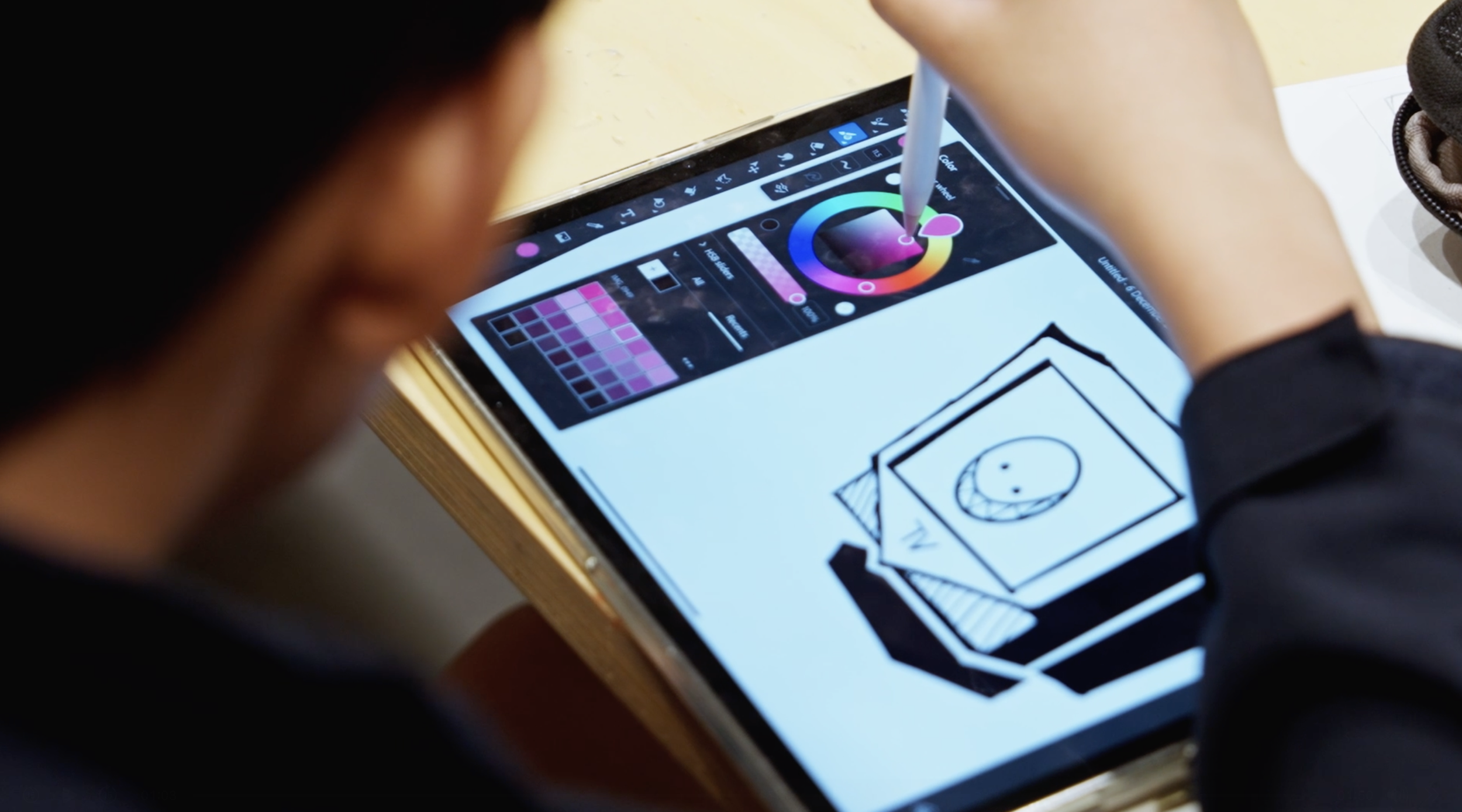
DICE in 30 Seconds
-
DICE is a practical, project-based program that develops creativity, design thinking and real-world skills through four specialist design streams.
-
DICE is designed for primary and secondary students, with activities adapted to different age groups, skill levels and learning needs.
-
Schools can select complete term-based programs, individual workshops, portfolio-development sessions, enrichment days or customised school packages.
-
Programs can be delivered as an incursion at the school or as an excursion at our specialist campus.
-
Students develop creativity, critical thinking, problem-solving, collaboration, practical skills, confidence and awareness of design-related study and career pathways.
-
Schools can scan the QR code, speak with our team at the summit or contact us to request a consultation, program catalogue or customised proposal.
Support Across Different Areas of Learning
DICE can complement learning across several curriculum areas:
DESIGN & TECHNOLOGIES
Students investigate needs, generate ideas,
use tools and materials, follow production processes and evaluate outcomes.
DIGITAL TECH & MEDIA
Students may use digital platforms to research, communicate, design, document and present creative work.
LITERACY
Students interpret project briefs, research information, develop design statements, present ideas and reflect on their learning.
PERSONAL & SOCIAL CAPABILITY
Students develop resilience, teamwork, self-management, communication and confidence.
VISUAL ARTS
Students explore visual language, composition, colour, materials, creative expression and presentation.
MATHEMATICS
Projects can involve measurement, proportion, scale, geometry, spatial reasoning and accurate calculations.
HUMANITIES & SOCIAL UNDERSTANDING
Projects may explore culture, identity, history, sustainability, communities and the social impact of design.
DEVELOPMENT OF FUTURE CAPABILITIES
Supports students to develop capabilities that are valuable across school, further education and future employment.
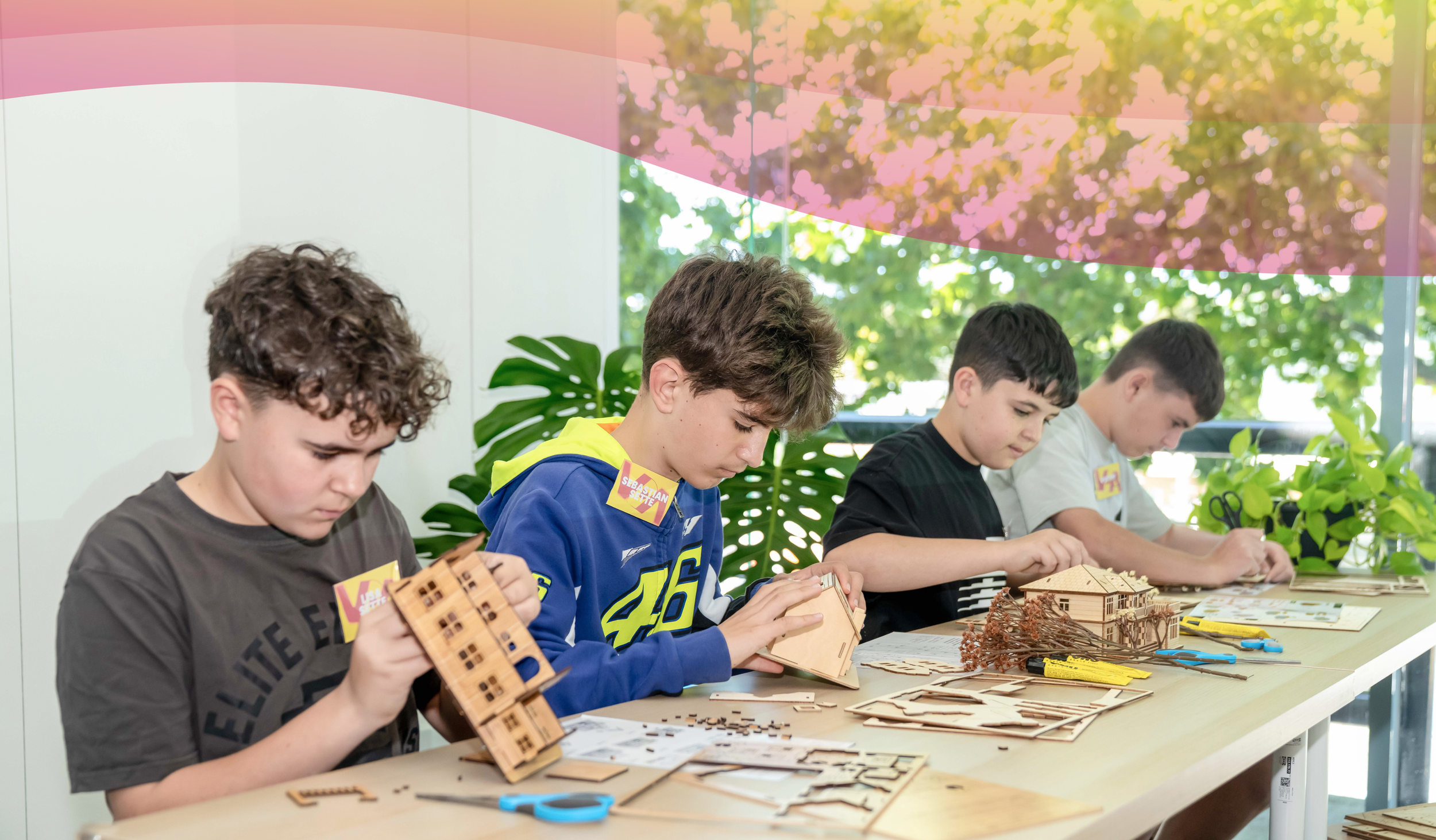
EXCURSIONS + INCURSIONS
A DICE excursion gives students the opportunity to leave their usual classroom environment and participate in an immersive creative-learning experience at our campus.
Excursions can support students by providing:
· Access to specialist learning spaces, equipment and resources.
· Exposure to professional creative practices and environments.
· Opportunities to learn from specialist design educators.
· A focused experience with fewer everyday classroom distractions.
· Practical activities that may not be possible within the school environment.
· Greater awareness of design-related study and career pathways.
· Opportunities to observe examples, materials, tools and student work.
· A memorable shared experience that can strengthen engagement and class connection.
For many students, visiting a specialist creative environment can make design education feel more authentic and achievable. It allows them to imagine themselves as designers, makers and creative professionals.
How DICE Incursions Support Students
A DICE incursion brings specialist design learning directly into the school.
Incursions can support students by providing:
· Convenient access to specialist workshops without requiring students to travel.
· Flexible delivery within the school timetable.
· Opportunities for larger or multiple student groups to participate.
· Learning experiences connected to current classroom topics or school projects.
· Specialist instruction delivered in a familiar and supportive environment.
· Practical activities adapted to the school’s available spaces and facilities.
· Inclusive access for students who may find off-site participation difficult.
· Opportunities for classroom teachers to observe specialist delivery and continue the learning after the workshop.
Incursions are especially valuable when schools want to introduce students to a new design area, enrich a current unit of work or provide a practical experience as part of a special learning day.